Beginner's guide to understanding the basics of gambling
What is Gambling?
Gambling refers to the act of risking money or valuables on an uncertain outcome with the primary intent of winning additional money or valuables. It encompasses a wide array of activities, from betting on sports events to playing games at a casino. Many people find entertainment in activities like payid pokies online real money, which adds excitement to their gambling experiences.

At its core, gambling requires three critical elements: consideration, risk, and prize. Consideration is the amount wagered or staked; risk is the uncertainty of the outcome; and prize is the reward if the bet is won. Understanding these elements is essential for any beginner who wishes to engage in gambling responsibly.
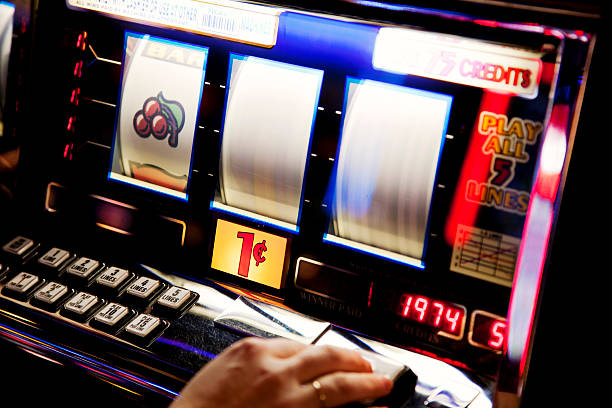
Gambling can take various forms, including games of chance like slots and roulette, as well as games of skill like poker and blackjack. Each type of gambling has unique rules and strategies, influencing both the likelihood of winning and the experiences of the players. As a newcomer, it’s vital to explore these different types to find what resonates most with you.
The Psychology of Gambling
The psychology behind gambling is a fascinating field that examines why individuals engage in such activities. Often, the thrill of the game or the hope of winning can trigger feelings of excitement, happiness, and even euphoria. This emotional high can lead to what many refer to as “the gambling rush,” which makes the experience addictive for some people.
Moreover, cognitive biases play a significant role in gambling behavior. For instance, the illusion of control can lead individuals to believe they have more influence over a game than they actually do. This mindset often results in overconfidence, where players might take greater risks than they normally would. Understanding these psychological factors can help beginners avoid pitfalls and make more informed decisions.
An essential aspect of the psychology of gambling is recognizing the signs of addiction. Compulsive gambling can lead to severe financial and personal consequences, and being aware of these signs is crucial. If a novice gambler finds themselves continuously chasing losses or gambling with money they can’t afford to lose, it’s time to seek help or reconsider their approach.
Types of Gambling Games
Gambling games can generally be divided into two categories: games of chance and games of skill. Games of chance, like slots and roulette, rely primarily on luck. In these games, the outcome is random, and players have little to no control over the results. This makes them thrilling for individuals who enjoy the unpredictability and excitement of chance-based outcomes.
On the other hand, games of skill, such as poker and blackjack, require a combination of strategy, psychology, and analytical thinking. Players must assess the odds and make calculated decisions based on their hand and the behavior of their opponents. These games can be intellectually stimulating and offer a different type of satisfaction for those who enjoy strategy and competition.
Additionally, many casinos offer variations of these games, each with its unique set of rules and strategies. For beginners, it’s recommended to start with simpler games to gain confidence before moving on to more complex options. Familiarizing oneself with the basic rules and practicing can significantly enhance the gaming experience.
Gambling Etiquette and Best Practices
Understanding gambling etiquette is vital for a positive experience, especially for newcomers. When participating in a casino setting, players should be respectful to dealers and other players. Simple acts like acknowledging wins or losses graciously can create a more enjoyable atmosphere for everyone involved. Moreover, being mindful of the house rules and following them can enhance the experience and prevent misunderstandings.
It’s also crucial for beginners to set limits for themselves. This involves deciding in advance how much time and money one is willing to spend on gambling. Sticking to these limits helps ensure that gambling remains a fun and entertaining activity rather than becoming a source of stress or financial strain. Establishing boundaries can foster a healthier relationship with gambling.
Furthermore, knowing when to walk away is key. Beginners should recognize that losing is part of the game and that chasing losses can lead to problematic gambling behavior. Developing the discipline to walk away, especially after a significant loss, can safeguard finances and emotional well-being, allowing players to return in a better frame of mind.
Exploring Our Secure Platform
Our website serves as a secure platform designed for individuals looking to deepen their understanding of gambling. By requiring user authentication, we prioritize the privacy and security of our users, ensuring that sensitive information remains protected. This controlled environment allows users to explore valuable resources and insights tailored to their specific needs.
We provide a wealth of information, from basic gambling concepts to advanced strategies, catering to both beginners and seasoned players. The user-friendly interface makes navigation easy, while the exclusive features enhance the learning experience. As part of our commitment to safety, we encourage responsible gambling and provide resources for those who may need assistance.
In summary, our platform not only educates users about the fundamentals of gambling but also fosters a supportive community for discussion and shared experiences. Whether you’re looking to engage in casual gaming or delve deeper into strategies, our site is designed to meet your needs while ensuring a safe and enjoyable experience.
Leave a Reply